Trauma Therapy
Trauma does not stay in the past. It lives in the body, in the patterns of how you protect yourself, in the moments when you feel suddenly braced for impact even when the room is quiet. If you have been carrying that weight (the hypervigilance, the emotional walls, the sense that something in you is fundamentally broken), trauma therapy offers a structured, evidence-based path toward genuine healing. My practice in Petaluma, California is specifically designed to support individuals and teens navigating the aftermath of traumatic experiences, using an integrated approach that addresses trauma at the neurological, relational, and emotional levels.
Schedule a Consultation
What Trauma Therapy Actually Involves
Trauma therapy is not about reliving the worst moments of your life in a therapist's office. It is a structured clinical process designed to help your nervous system process what it could not fully process at the time the trauma occurred. Traumatic experiences, whether a single catastrophic event, a pattern of chronic harm, or the slower damage of relational betrayal, can leave the brain and body stuck in protective responses that were once necessary but no longer serve you.
In our sessions, we work at a pace that your system can tolerate. This means building safety first, developing internal resources, and only then approaching the traumatic material in a way that allows it to be metabolized rather than re-traumatized. This is sometimes called a titrated approach, working at the edges of the trauma rather than plunging into the center of it without preparation.
Evidence-based trauma therapies consistently show effectiveness for a range of trauma presentations, including PTSD, complex trauma (C-PTSD), relational trauma, childhood adverse experiences, and trauma tied to sudden loss or medical events. The research base for trauma-specific modalities is robust, and the clinical consensus supports individualized treatment matching the right tools to the right person at the right stage.


How Trauma Shows Up in Daily Life
Many people who seek trauma therapy do not arrive with the word "trauma" on their lips. They arrive because something is not working, in their relationships, in their ability to be present, in their sleep, in their bodies. Trauma commonly presents as:
- Hypervigilance, a state of constant alertness that makes true rest feel impossible
- Emotional dysregulation, reactions that feel disproportionate and difficult to control
- Dissociation, feeling disconnected from yourself or the present moment
- Avoidance, steering clear of people, places, situations, or internal states that trigger the memory of harm
- Relationship difficulty, patterns of withdrawal, conflict, or difficulty trusting that trace back to earlier relational injuries
- Physical symptoms, chronic tension, somatic complaints, disrupted appetite or sleep with no clear medical cause
These are not character flaws or signs of weakness. They are the nervous system doing exactly what it was designed to do (protect you) long after the original threat has passed. Trauma therapy helps the system recognize that protection is no longer needed in the same way.
My Approach: Integrated, Evidence-Based Trauma Care
My work with trauma draws from three primary clinical frameworks, chosen because together they address the individual, the nervous system, and the relational dimensions of traumatic experience.
Internal Family Systems (IFS)
Developed by Dr. Richard Schwartz, IFS understands the psyche as composed of multiple "parts," inner voices or sub-personalities that developed in response to life experiences. Many of the parts that cause distress in adulthood were protective in origin: they learned to shut down, overachieve, or withdraw to keep you safe. IFS works with these parts with curiosity and compassion rather than suppression, allowing the person to access what IFS calls their "Self," a stable, calm center that can lead the healing process. For trauma survivors, IFS is particularly powerful because it avoids the forced confrontation with traumatic material that can retraumatize, instead working with the internal protectors until they trust the healing process enough to soften.
Attachment Theory
Our earliest relationships with caregivers shape the templates through which we experience every relationship that follows, including our relationship with ourselves. Trauma that occurs in early attachment relationships (neglect, emotional unavailability, abuse, abandonment) leaves particularly deep marks, because these experiences occurred before the prefrontal cortex was developed enough to contextualize them. Attachment-informed therapy recognizes that healing relational trauma requires a relational experience. The therapeutic relationship itself becomes a corrective one, providing a model of consistent, attuned connection that the nervous system can internalize over time.
Gottman Method
Most commonly associated with couples therapy, the Gottman Method's research on emotional flooding, physiological self-soothing, and repair processes has direct application in trauma work, particularly for individuals whose trauma has manifested in their intimate relationships or whose nervous system dysregulation is triggered primarily in close-contact situations. I integrate Gottman tools to help clients develop the emotional regulation skills and communication frameworks that support both individual healing and relational repair.
What to Expect When You Begin
Beginning trauma therapy is a significant decision, and it is one worth making with full information about what the process involves.
Free Consultation
Before we begin any therapeutic work, I offer a complimentary consultation. This is an opportunity for you to ask questions, share what you are looking for, and determine whether we are a good fit. There is no commitment, no clinical assessment, and no pressure. You should feel confident in your therapist before you begin the work.
First Sessions
Early sessions focus on building safety and understanding your history. We will not immediately enter traumatic material. I will learn about your life, your goals, your current support systems, and your internal experience. We will establish a therapeutic relationship and identify the tools that will serve you best throughout the process.
Ongoing Therapy
As therapy progresses, we will work at the pace your system can sustain. Some clients experience meaningful shifts within a few months; others engage in longer-term work, particularly when the trauma is complex or has its roots in early childhood. Progress in trauma therapy is not always linear. There will be sessions that feel productive and sessions that feel difficult. But the overall arc of the work is toward greater integration, regulation, and freedom.

Who I Work With
I specialize in working with:
- Adults navigating the aftermath of acute trauma (accidents, assault, sudden loss, medical trauma) or complex and relational trauma
- Couples where trauma, one or both partners', is affecting the relationship dynamic, attachment security, or intimacy
- Teenagers (addressed in more detail below) experiencing trauma-related symptoms, including anxiety, dissociation, self-harm, or behavioral changes
I work with individuals across the trauma spectrum: those who have had a single overwhelming experience and those who experienced chronic harm over years or decades. Both are valid, both are treatable, and both deserve care.
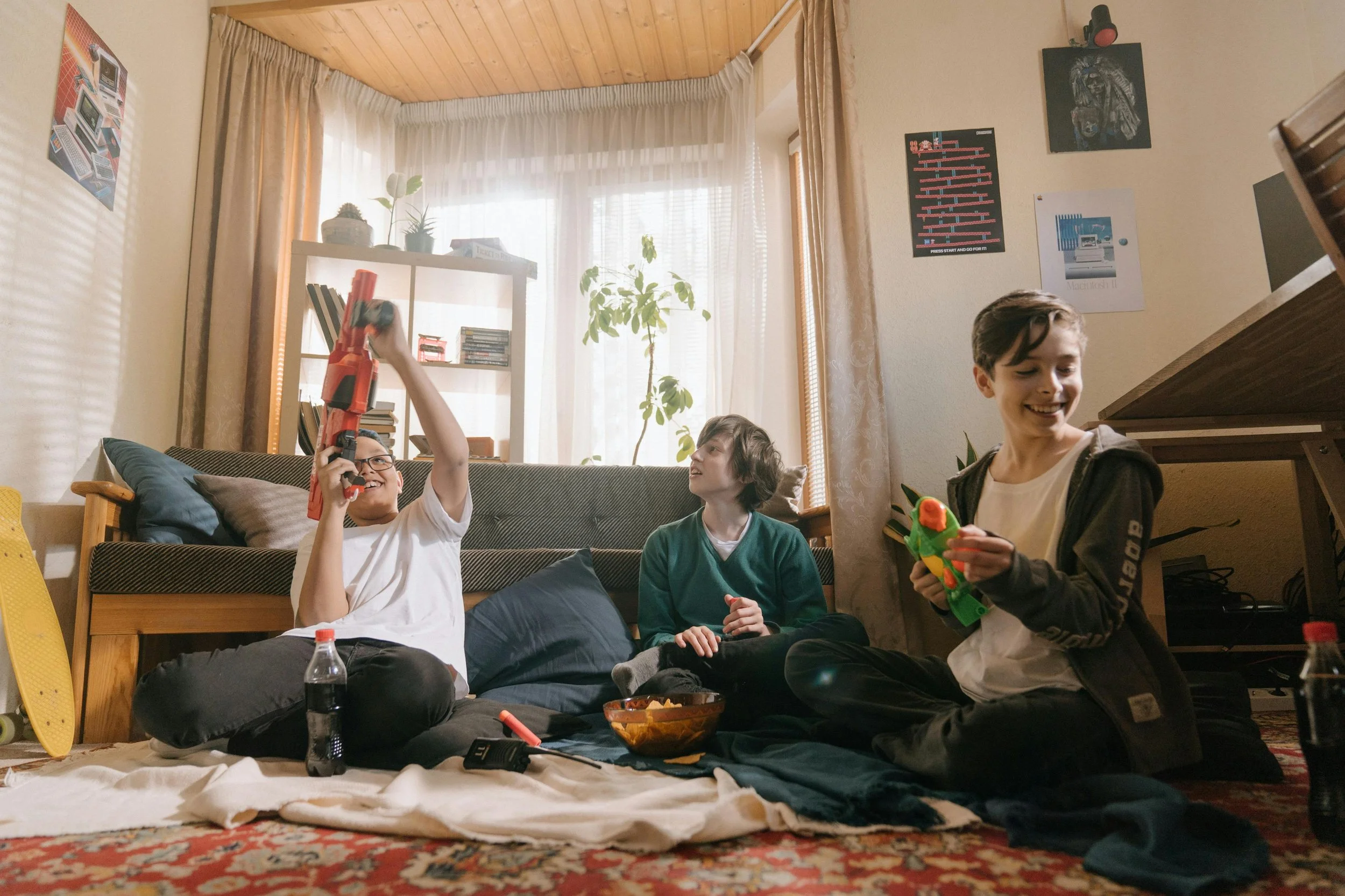
Trauma Therapy for Teens in Petaluma
Trauma in adolescence is particularly complex because the teenage brain is still developing, particularly the prefrontal cortex responsible for emotional regulation, impulse control, and long-term thinking. This means that traumatic experiences during the teenage years can have outsized developmental effects, and also that teenagers are highly responsive to trauma-informed therapeutic intervention when the approach is developmentally appropriate.
I work with teens in a way that respects their autonomy, meets them where they are, and does not require them to immediately articulate experiences they may not yet have words for. Sessions with teenagers often incorporate creative, somatic, or structured tools alongside talk therapy, depending on what is most effective for that individual. Parent involvement is calibrated to the teenager's needs and consent. Some teens want their parents closely involved; others need the therapy space to be a place that is entirely theirs.
In-Person and Telehealth Sessions
My office is located in downtown Petaluma at 7 4th Street, Suite 3, a welcoming, private space designed to feel like a reprieve from the demands of daily life. For clients across California who prefer to work remotely or who cannot easily access in-person care, I offer telehealth sessions via secure, HIPAA-compliant video. Both formats offer the same clinical engagement and therapeutic relationship. The medium is flexible; the care is not.
Schedule a ConsultationCommon Questions
Frequently Asked Questions About Trauma Therapy in Petaluma
PTSD (Post-Traumatic Stress Disorder) typically refers to the clinical response to a discrete traumatic event, a single incident that overwhelmed the nervous system's capacity to process. Complex trauma (sometimes called C-PTSD) refers to the cumulative impact of repeated, prolonged traumatic experiences, often beginning in childhood and frequently involving a relationship with a caregiver or authority figure. Complex trauma often presents with additional layers of shame, identity disruption, and attachment difficulty that require longer and more relationally-focused treatment. Both are treatable; the clinical approach is tailored to the presentation.
There is no universal timeline for trauma recovery. Acute trauma with good social support and stable life circumstances can show significant improvement in 12 to 24 sessions. Complex or developmental trauma often requires longer engagement (a year or more) because the therapeutic relationship itself is a central part of the healing process. What matters is that therapy is progressing: you are developing greater regulation, more insight, and increased capacity to engage with your life. I review progress with all clients regularly and adjust the approach as needed.
My fees and insurance information are detailed on the Fees & Insurance page of this website. I encourage you to review that information and reach out with any questions. Navigating insurance as part of a therapy search is one of the practical barriers that gets in the way of people getting care, and I am happy to help you understand your options.
If you are experiencing persistent symptoms (difficulty regulating your emotions, intrusive memories, avoidance of people or situations that remind you of past harm, chronic relational difficulty, or a sense of being stuck in patterns you cannot change), trauma therapy is worth exploring. A free consultation is the lowest-stakes first step. You are not committing to a treatment plan; you are simply beginning a conversation.
The most commonly referenced trauma responses include fight, flight, freeze, fawn, flop, friend, and flood, though these labels vary across clinical frameworks. In practical terms, these are the nervous system's automatic strategies for managing perceived threat. Trauma therapy helps identify which responses are most active for you and create more flexibility in how your system responds to stress.
Traditional talk therapy focuses primarily on understanding, gaining insight into patterns, relationships, and thought processes. Trauma therapy adds a layer of nervous system-focused work. It is specifically designed to help your brain and body process experiences that were too overwhelming to fully integrate at the time they happened. This often involves working more slowly and deliberately with difficult material, building internal resources before approaching traumatic content.

I help people understand parts of themselves better, why they feel or behave a certain way, and how their past may be showing up in their present. I am Elizabeth Harding, LMFT, a Licensed Marriage and Family Therapist in Petaluma, California. I work with individuals ages 13 and older and couples dealing with anxiety, depression, trauma, shame, low self-esteem, and relationship issues. My approach is informed by Attachment Theory, Internal Family Systems, and the Gottman Method. I offer in-person sessions in downtown Petaluma, telehealth throughout California, evening availability, and a free consultation.